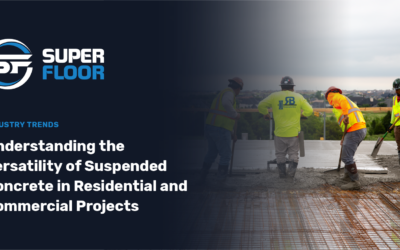


Introduction to Suspended Concrete in Modern Architecture
Suspended concrete is a game changer in modern architecture. It involves the use of concrete slabs that hang above the ground, supported by columns or beams. This technique isn’t new, but the ways architects and engineers use it today are innovative and daring. Suspended concrete lets them create spaces that are not only stunning to look at but also efficient and durable. The magic of suspended concrete lies in its strength and flexibility. It can span large areas without needing walls underneath, opening up endless possibilities for design. This means architects can dream up open, airy spaces without worrying about columns getting in the way. Plus, it’s tough. It handles loads and stress like a champ, making buildings safer and longer-lasting. In cities where space is at a premium, suspended concrete is a smart solution. It allows for parking spaces or amenities under buildings, making every square foot count. Overall, suspended concrete is shaping the future of architecture, combining beauty, function, and innovation in ways we’ve only just begun to explore.
The Basics of Suspended Concrete: Understanding Its Importance
Suspended concrete might sound complex, but it’s simply concrete slabs that are suspended above the ground, often used in floors and ceilings of buildings. This method allows for larger spaces without the need for supporting columns, giving architects more freedom to design. The main players in suspended concrete are steel beams or a system of reinforced concrete that holds everything up. This is crucial in creating buildings that are not only strong but also adaptable to different architectural styles. Thanks to this technique, vast open spaces become possible, significantly impacting how modern buildings are designed and constructed. Whether it’s for your home, an office, or a grand public building, suspended concrete plays a vital role in making spaces look and feel the way they do today.
Advantages of Using Suspended Concrete in Construction
Suspended concrete floors bring a game-changing set of benefits to modern construction projects. Firstly, they offer remarkable strength and durability, making them ideal for buildings that demand long-term stability. Thanks to their robust nature, these floors can withstand heavy loads, which is perfect for commercial spaces or any area that sees a lot of foot traffic. In addition, suspended concrete helps in significantly reducing noise transmission. This is because the material itself is dense, acting as an effective barrier against sound, ensuring a quieter and more peaceful environment. Another key advantage is the flexibility in design that suspended concrete offers. Architects and builders now have the freedom to create spaces that were once deemed too challenging or impossible. This means more innovative and complex architectural designs can be brought to life. Moreover, these floors contribute to better fire resistance. Concrete is naturally fireproof, offering an added layer of safety to buildings and peace of mind to its occupants. Lastly, suspended concrete floors are efficient insulators, which can lead to energy savings. In winters, they retain heat, and in summers, they keep spaces cooler, making them energy-efficient options for any building. So, incorporating suspended concrete in a project not only elevates the construction’s quality but also its value and functionality in the long run.
Design Flexibility Offered by Suspended Concrete
Suspended concrete floors are a game changer in architecture. They allow architects to dream big and design freely. Want big open spaces without columns in the way? Suspended concrete makes that possible. It provides the strength needed to support buildings, while also giving architects the flexibility to create innovative designs. From curved shapes to vast, column-free spaces, this material adapts to creative needs. It’s not just about the looks, though. These floors help with sound insulation and fire resistance too. Plus, they can be used in any building type – from homes to skyscrapers. So, whether you’re looking to push the boundaries of design or find smart ways to use space, suspended concrete has got your back.
Cost-Effectiveness and Sustainability of Suspended Concrete Solutions
Suspended concrete isn’t just a sturdy choice; it’s also kind on your wallet and the planet. When we talk about building costs, using suspended concrete floors can save you money in the long run. It’s because they require less maintenance compared to traditional wood floors and are known for their long lifespan. So, you spend less over time fixing or replacing them. Now, when it comes to being green, suspended concrete floors are top-notch. They have a knack for keeping buildings cooler in summer and warmer in winter. This means you can cut down on energy bills since you’re not overworking your heating or cooling systems. Plus, because they can be made with recycled materials, we’re giving those materials a second life instead of piling up more trash. So, if you’re thinking about the future of your building and the planet, suspended concrete checks the right boxes for cost-effectiveness and sustainability.
Innovative Uses of Suspended Concrete in Today’s Buildings
Suspended concrete isn’t just a base material; it’s a game-changer in modern architecture. It offers innovative solutions for creating spaces that were once thought impossible. Think about large, open floor plans without any columns in the middle – that’s suspended concrete working its magic. It allows buildings to have more versatile spaces, which can be easily adapted to various uses, from commercial offices to public libraries. Not just for floors, architects use suspended concrete for innovative outdoor terraces and even as a base for rooftop gardens. These applications not only enhance the functionality of a building but also contribute to its aesthetic appeal and sustainability. By supporting green spaces in urban environments, suspended concrete plays a role in creating eco-friendly buildings. Its adaptability and strength make it a go-to choice for architects looking to push the boundaries of design and utility.
The Role of Technology in Advancing Suspended Concrete Techniques
Technology has been a game-changer in how builders and architects approach suspended concrete techniques. Not long ago, creating floors or ceilings that hover without visible supports seemed like something out of a science fiction novel. But today, thanks to advances in technology, it’s a reality that’s shaping modern architecture. The key lies in the materials and methods used. For instance, the development of high-performance concrete has made it possible to create thinner, lighter, yet stronger structures. This kind of concrete can withstand more tension and compressive forces, allowing for more daring designs and wider spans without support pillars.
Moreover, technology such as computer-aided design (CAD) software has revolutionized the planning phase. Architects can now experiment with complex shapes and configurations far more easily. They can spot potential issues and adjust their designs before construction begins, saving time and money.
In terms of construction techniques, innovations like 3D printing are beginning to play a role. Imagine printing a section of a suspended concrete floor on-demand, tailored to the exact specifications of a project. It reduces waste, speeds up construction, and opens new possibilities for customization.
All these technological advancements mean that suspended concrete isn’t just for the most avant-garde buildings anymore. It’s becoming a more accessible option for various types of structures, from commercial buildings to residential homes. This fusion of technology and construction not only pushes the envelope in terms of what’s architecturally possible but also improves efficiency and sustainability in building practices.
Case Studies: Successful Projects Utilizing Suspended Concrete
Suspended concrete floors have marked their excellence across several groundbreaking projects. Let’s dive into a few cases that spotlight their success and versatility. First up, The Sydney Opera House in Australia. This architectural marvel integrates suspended concrete in its design, enabling the creation of its iconic, sweeping forms and expansive, open interior spaces. Next, consider the High Line in New York City. This public park, built on a historic freight rail line elevated above the streets of Manhattan, uses suspended concrete techniques to support its lush landscape, walkways, and viewing platforms, blending urban architecture with green spaces seamlessly. Lastly, the Infinite Bridge in Denmark showcases suspended concrete’s potential in creating circular structures, offering 360-degree views and interacting uniquely with its natural surroundings. These projects underscore suspended concrete’s role in pushing design boundaries, merging functionality with aesthetic appeal in today’s architecture.
Addressing Challenges: Tips for Implementing Suspended Concrete
Implementing suspended concrete in construction projects comes with its share of challenges. Yet, with the right approach, these obstacles can be smoothly navigated. Firstly, ensuring the structural integrity is crucial. This means working closely with a structural engineer to design a system that holds up not just in theory, but in real-world application. It involves selecting the right materials and techniques that suit the specific needs of the project.
Weather conditions play a big role too. Suspended concrete work requires certain conditions for pouring and curing; too hot or too cold, and you could face problems. Planning the construction schedule around weather forecasts is a practical step.
Then there’s the matter of cost. Yes, suspended concrete can be more expensive upfront due to the complexity of the work involved. However, thinking long-term is key. Its durability and low maintenance can lead to cost savings down the line.
Lastly, safety cannot be overlooked. Working with suspended concrete poses risks, not just in the final structure but during construction. Strict adherence to safety protocols and regular training sessions for the workforce are non-negotiable.
In sum, while challenges exist, with careful planning, expert advice, and a focus on safety, implementing suspended concrete in modern construction can yield robust and innovative architectural solutions.
Future Trends in Architecture: The Growing Popularity of Suspended Concrete
Suspended concrete is changing the face of modern buildings, making waves as a must-have in futuristic and sustainable architecture. Why? It’s all about versatility and strength. This material is pushing the bounds, allowing architects to design spaces that were once deemed impossible. Think floating staircases, long, uninterrupted floors, and even buildings that seem to defy gravity.
The buzz isn’t just hype. As more builders and designers aim for eco-friendliness alongside aesthetic appeal, suspended concrete ticks all the right boxes. It’s durable, requires less material for construction (thanks to its strength), and offers better thermal efficiency. This means buildings not only look cool and futuristic but are also greener and more energy-efficient.
Now, onto why it’s gaining popularity. First off, technology in construction has leaped. The tools and techniques available today mean suspended concrete is no longer a laborious dream. It’s a cost-effective reality. Second, the shift towards more open, flexible spaces in buildings is making suspended concrete a go-to option. It supports wide, open areas without the need for cumbersome supporting columns that break up space.
In the near future, expect to see more buildings making bold statements with their use of suspended concrete. From sleek, modern homes to cutting-edge commercial spaces, this material is set to redefine our skylines. And as the push towards sustainability grows, so will the adoption of suspended concrete, making it a mainstay in the architectural trends of tomorrow.