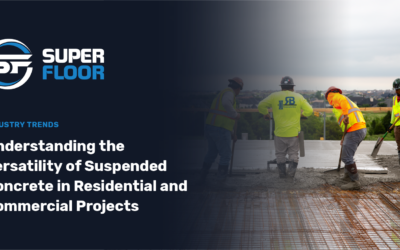


As the skyline of cities transforms, suspended concrete systems stand as the unsung heroes reshaping modern architecture. From skyscrapers that kiss the clouds to homes that blend sustainability with style, the advancements in this field are not just laying the foundation for structures but are also elevating the standards of building technologies to exhilarating new heights.
Understanding Suspended Concrete Systems
Suspended concrete systems are a marvel of engineering, serving as a pivotal technology in the world of contemporary architecture. Essentially, they refer to a method of construction where concrete slabs are cast in a location other than their final position in the structure, often being supported by beams, columns, or the ground below. This technique not only facilitates greater architectural flexibility but also significantly enhances the structural integrity of buildings.
The core advantage of employing suspended concrete lies in its ability to span large areas without the need for intermediate supports, thus opening up space for more innovative designs and functional living and working areas. Furthermore, advances in mix designs and reinforcing materials have propelled the capabilities of suspended concrete, allowing for thinner, stronger, and more durable slabs.
The Evolution of Suspended Concrete in Modern Architecture
Tracing the evolution of suspended concrete reveals a fascinating journey of architectural innovation. From its rudimentary use in ancient times to its modern applications, suspended concrete has always been a staple in pushing the boundaries of what’s possible in construction. In recent years, the advent of high-performance concrete and sophisticated construction techniques has elevated its status from a mere structural requirement to a centerpiece of architectural expression.
Moreover, the integration of technology has been paramount, with contemporary projects showcasing the utilization of 3D modeling and advanced formwork systems. These innovations not only improve the efficiency and safety of construction processes but also significantly expand the design possibilities, allowing architects to conceive buildings that were once thought impossible.
Advantages of Using Suspended Concrete in Construction
The benefits of employing suspended concrete systems in construction are manifold. For starters, they offer unparalleled strength and durability, making buildings more resilient to natural disasters like earthquakes and hurricanes. Additionally, their thermal mass can regulate indoor temperatures, contributing to energy efficiency and comfort.
Suspended concrete also boasts aesthetic versatility. With the ability to mold into various shapes and finishes, it provides architects with a canvas to explore bold and innovative designs. This versatility extends to the creation of open-plan spaces, free from the clutter of supporting columns, thereby maximizing usable space and enhancing the quality of interior environments.
Innovative Projects Featuring Suspended Concrete Systems
Across the globe, several landmark projects stand as testimonials to the ingenuity of suspended concrete systems. One such example is the Lotus Building in China, where suspended concrete petals bloom over a lake, merging structural brilliance with aesthetic splendor. Similarly, in the United States, the High Line park in New York City repurposes a suspended concrete railway into an urban oasis, blending the industrial with the natural.
These projects not only demonstrate the structural capabilities of suspended concrete but also its potential to redefine public spaces and contribute to environmental sustainability. By leveraging its versatility, architects have been able to craft spaces that encourage social interaction, foster community, and promote ecological balance.
The Future of Suspended Concrete: Trends and Predictions
Looking forward, the horizon is bright for suspended concrete systems, with trends indicating a surge in innovative uses and sustainable practices. One promising development is the integration of smart materials, which hold the potential to self-heal and adapt to environmental changes, further extending the lifespan of concrete structures.
Moreover, as the construction industry becomes increasingly conscious of its environmental footprint, the push for greener alternatives will see suspended concrete systems at the forefront of sustainable building practices. Incorporating recycled materials and reducing carbon emissions during production are just a few ways this age-old material is being reimagined to meet the demands of the future.
Reimagining Urban Landscapes
As we look towards the horizon of construction innovations, suspended concrete systems invite us to reimagine the skeleton of urban landscapes. These systems, once emblematic of mere functionality, have evolved into the keystones of architectural beauty and sustainable building solutions. Capturing the essence of modernity, they foster a future where every structure stands as a testament to the harmony between human aspiration and the natural world.